
25 million lightning strikes occur each year. Don’t stay out in the open when lightning storms happen. Here’s what to do and where to go when inside the house
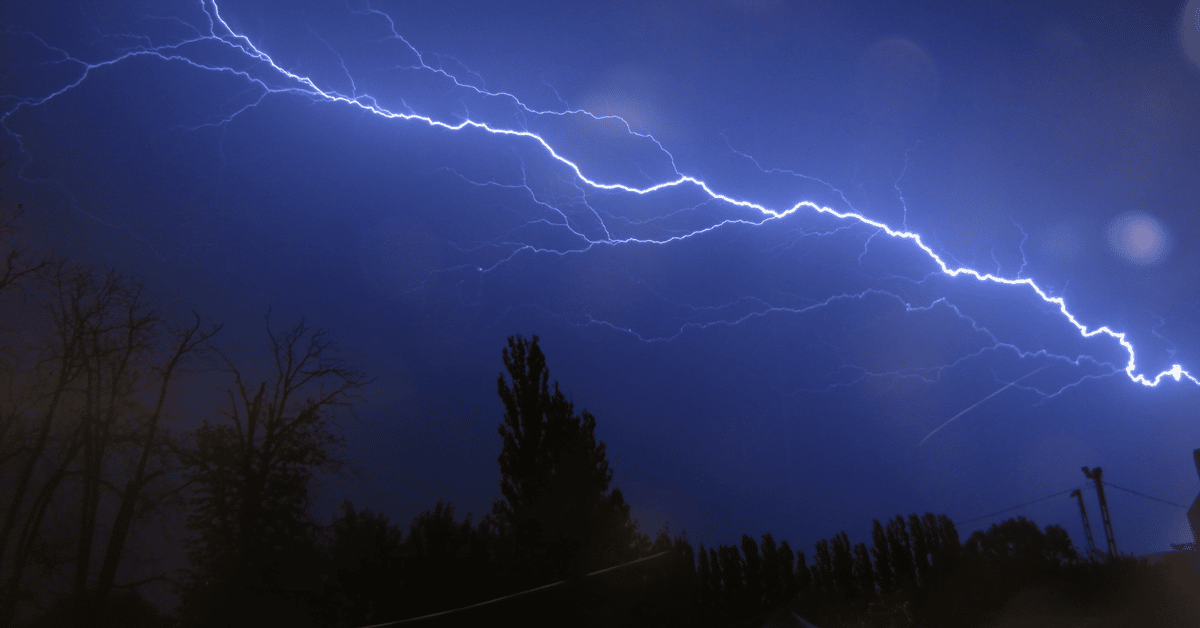
Have you ever wondered why summer sees more lightning storms than any other time of year? Blame it on the extreme weather instability and moisture in the atmosphere. Blend these two ingredients together and you can get thunderstorms that produce lightning.
With those storms come the risk of being caught in one of approximately 25 million annual cloud-to-ground lightning flashes in the U.S., according to the National Weather Service, which also reports upward of 300 people getting struck.
Electrocution and electrical injury accidents typically occur during a severe storm, when bad weather and its related elements — including lightning — put pressure on power lines and knock them down. Aging infrastructure and power lines that are not maintained and poorly inspected produce more deaths annually than lightning strikes do (the NWS reports only seven lightning deaths so far in 2017, as of July 19).
But that doesn’t mean you shouldn’t be cautious when the skies get gray and the distant thunder gets louder. Even surviving a lightning strike can mean long-lasting health problems, such as migraines and nerve damage.
The best advice I can offer as an electrocution attorney of over three decades is to seek cover immediately.
The mistake many people make is once they go indoors, they do not then take extra precautions to make sure lightning’s effects won’t reach you through another channel.
During lightning storms, take it inside
If you hear thunder, that means lightning is close enough to strike you. Upon hearing it, you will want to move to a safe shelter, such as a building with electricity or plumbing or an enclosed, metal-topped vehicle with windows up (but keep your hands off the metal top during the storm). Stay in the shelter at least 30 minutes after you hear the last sound of thunder.
While inside:
- Don’t use landline phones unless it’s an emergency: Discontinue use of phones, especially cordless, unless it’s an emergency. Phone use is the leading cause of indoor lightning injuries in the U.S. If possible, keep a hardwired phone in an easily accessible place that can be plugged in when there’s an emergency.
- Avoid contact with electrical equipment and cords: If you plan to unplug any electronic equipment, make sure to do it well before the storm arrives. If there’s a power failure, turning off all electrical appliances may avoid damage if a power surge should occur when lines are re-energized. Also know that surge protectors do not protect against direct lightning strikes.
- Don’t run water and avoid contact with plumbing: Stay out of pools, hot tubs or other bodies of water like lakes. If lightning strikes your home, it may send a current of electricity across metal pipes and electrify anything touching the water.
- Stay off the concrete: Lightning can also travel through any metal wires or bars in concrete walls or flooring.
- Prepare: If you’re in your home and know in advance of a bad storm, put together a kit and store it in a place you can easily access in the dark. The kit should include a portable radio, flashlight, extra batteries, bottled water, snacks, first-aid kit and blankets.
But what if I can’t find shelter during a lightning storm?
If you are caught outside in a lightning storm and there’s no safe shelter anywhere nearby, the NWS recommends these actions to reduce your risk:
- Immediately get off elevated areas such as hills, mountain ridges or peaks.
- Never lie flat on the ground.
- In the woods, put as much distance between you and any tree. Never seek shelter under an isolated or tall tree.
- Don’t use a cliff or rocky overhang for shelter.
- Don’t be or be near the tallest object in the area.
- Immediately get out and away from ponds, lakes and other bodies of water.
- Stay away from objects that conduct electricity, such as barbed wire fences and power lines.


